
Crystal Green Tea
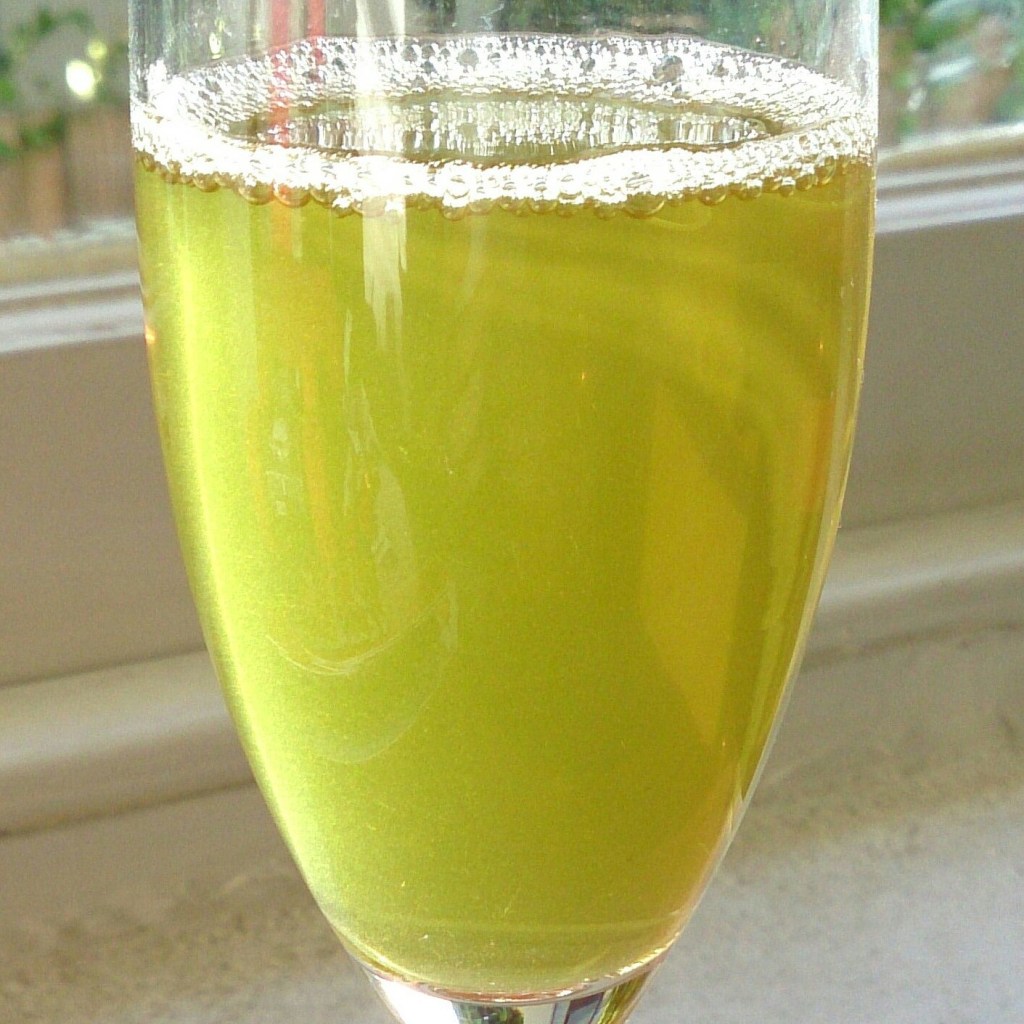
Have you ever noticed that the taste of green tea can be changed by brewing temperature? Water temperature is always a key to prepare delicious Japanese green tea. When green tea is brewed with low temperature, we find it more sweet and less bitter. The reason is that more theanine can be extracted into cooler water. Theanine is a component makes sweetness and umami (rich savoury taste). On the other hand, caffeine which brings bitterness and astringency, is less extracted in cold tea.
Taking advantage of those characteristics, Japanese green tea can be brewed with cold water. It is popular to prepare tea in hotter days in Japan. All you need is one heaped tablespoon of green tea leaves, one litre of water and a one-litre glass bottle.
1. Place tea leaves in a glass bottle; pour water.
2. Keep it in a refrigerator for a few hours.
3. Stir once and wait tea leaves to settle down at the bottom; pour into a glass.
Green tea made with cool water is recommended to consume in one day as it has no preservatives. This crystal green colour tea will be very refreshing and a good alternative to soft drinks.
Tea Break During WFH
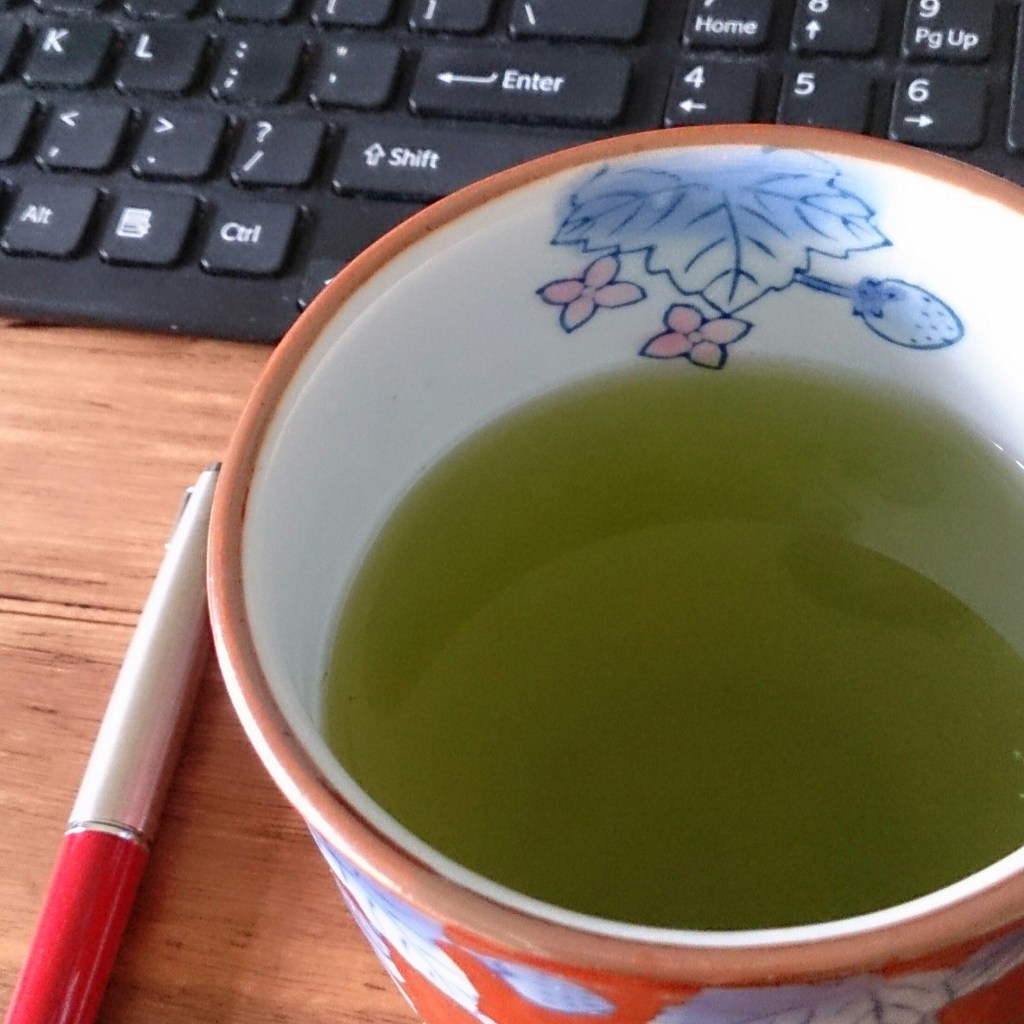
Drinking sencha will be effective at meetings or during study. Both activities are very stressful. Caffeine in sencha will make you alert while theanine, another component in green tea, will help you calm.
Place a heaped teaspoon of sencha in a teapot and add cooled down boiled water (around 70°C). Wait for one minute and pour into a teacup.
If you brew tea with a tea bag, pour boiled water into a teacup and wait two to three minutes to cool it down. Drop a tea bag and wait for one minute. Take out the tea bag before drinking the tea. Keeping a tea bag in a teacup results in unpleasant coloured and bitter green tea.
Brewing sencha with higher temperature (80°C) can extract more caffeine from tea. Therefore it is effective to shake off sleepiness.
Stay well and enjoy your tea break.
Teacup Before and After
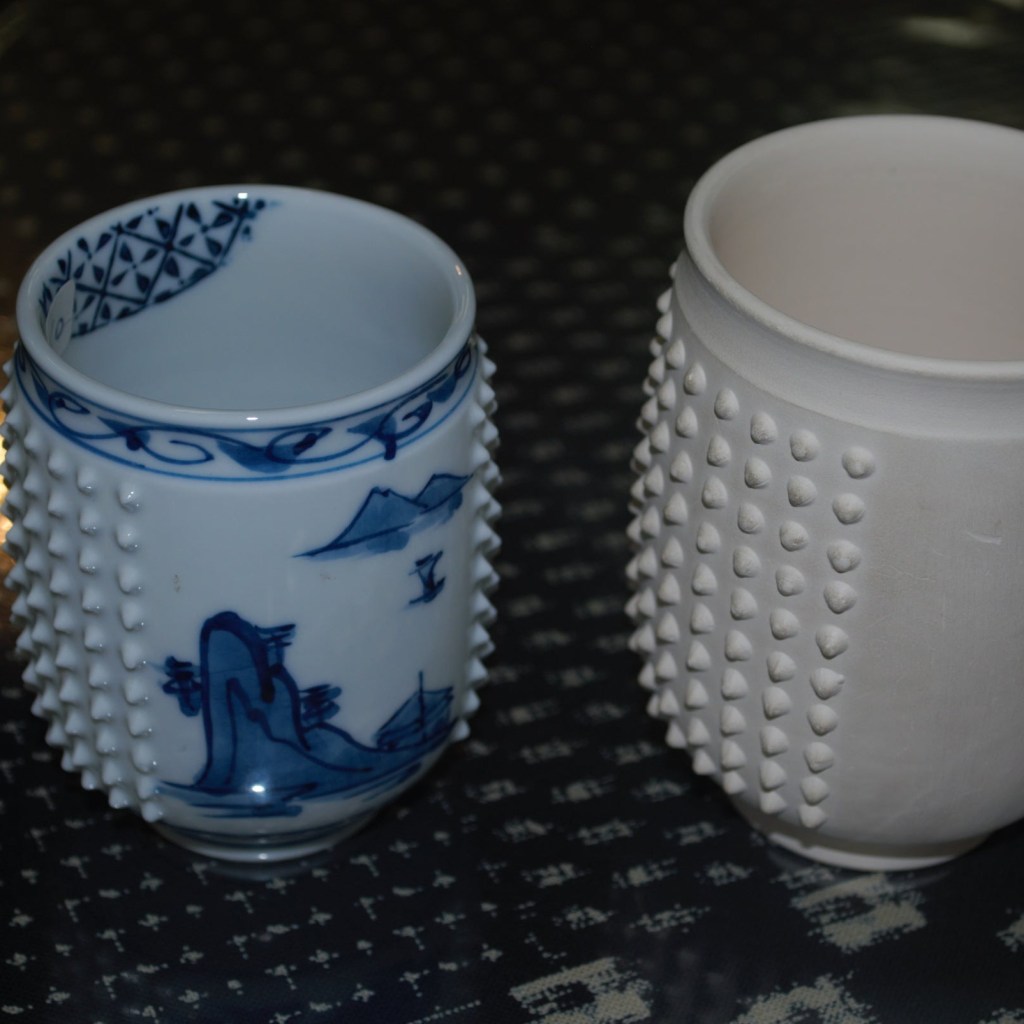
Porcelain goes into kiln at least twice. In the beginning. it is baked at 900°C while the temperature in the second baking is increased to about 1300°C. If a product needs over-glazing, it will be treated in kiln for the third time at the temperature of 800°C.
This Arita porcelain on the right went to kiln once while one on the left was baked twice. As an item can shrink about 20% after baking, craftsmen have to shape the item taking into account shrinking ratio. When a glass component in the shaped item melts under high temperature, gaps between clay particles are sealed. Given that process is labour-intensive and outcome is dependent on the expertise of craftsmen, the every product is testament to the skill and deftness of artisans in Arita.
Wrap up tea with furoshiki
Furoshiki, a traditional Japanese cloth becomes popular again. It is reusable and easy to keep when it is not needed. If you know a basic knot called ma-musubi, it can easily wrap up an object to securely hold while opening can be in a second! Check out the above video to find out the tricks!
 Okei-san Japanese Tea Plus