
Tea Trip to Japan
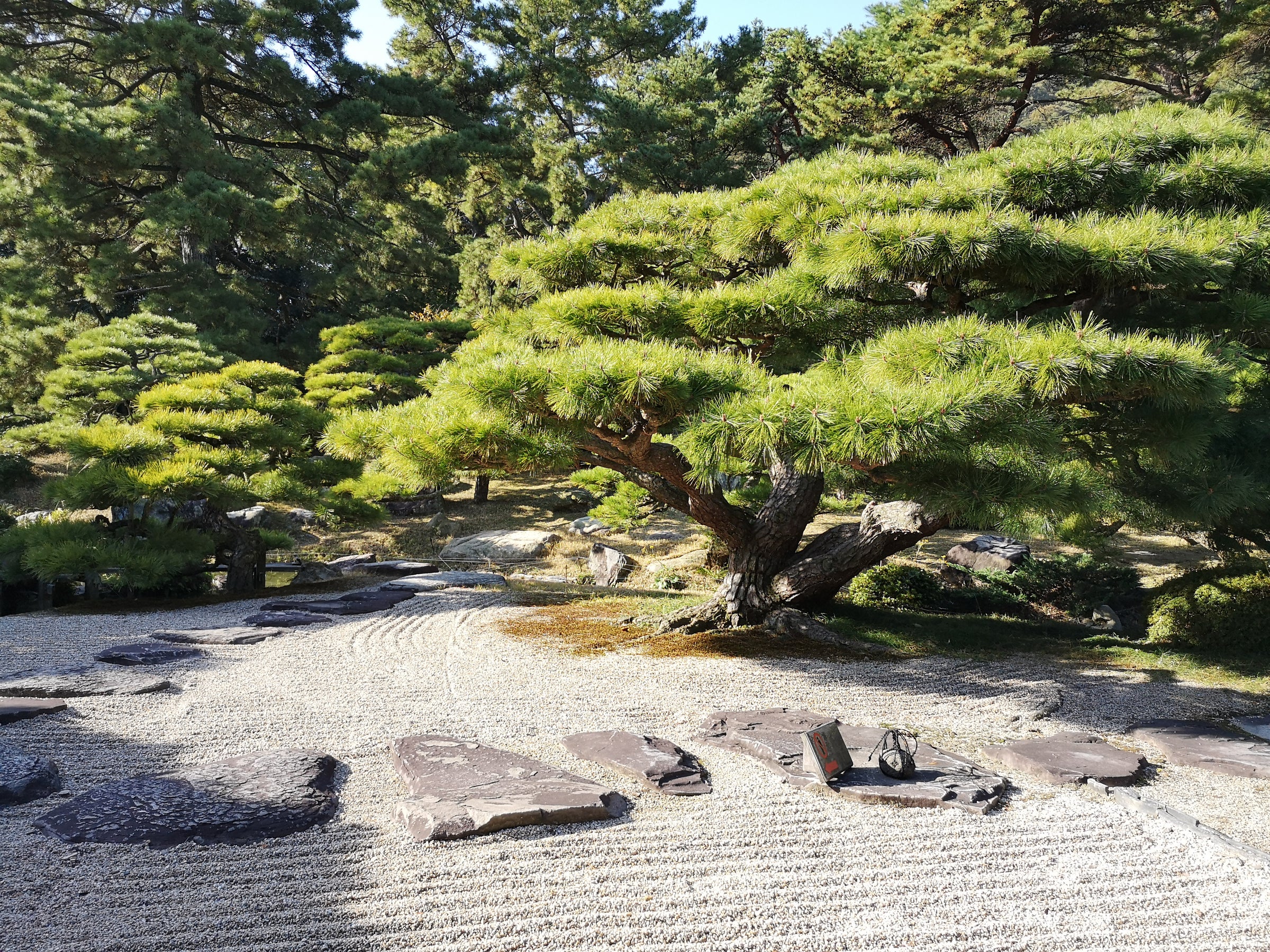
When we go to Japan, we always try to fill up with Japanese tea experiences which include not only tea making hands-on experiences but also eating and drinking. As we have received many inquiries regarding this matter, we decided to share our experiences on our blog so you can try them on your next visit to Japan.
Please bear in mind that all the comments here are based on our experiences and the information were obtained at the time of our visit. Please check the latest information
Aichi: Asuke Kancha (足助寒茶)
Ehime: Ishizuchi Kurocha (石鎚黒茶)
Nara: Yoshikien(吉城園)
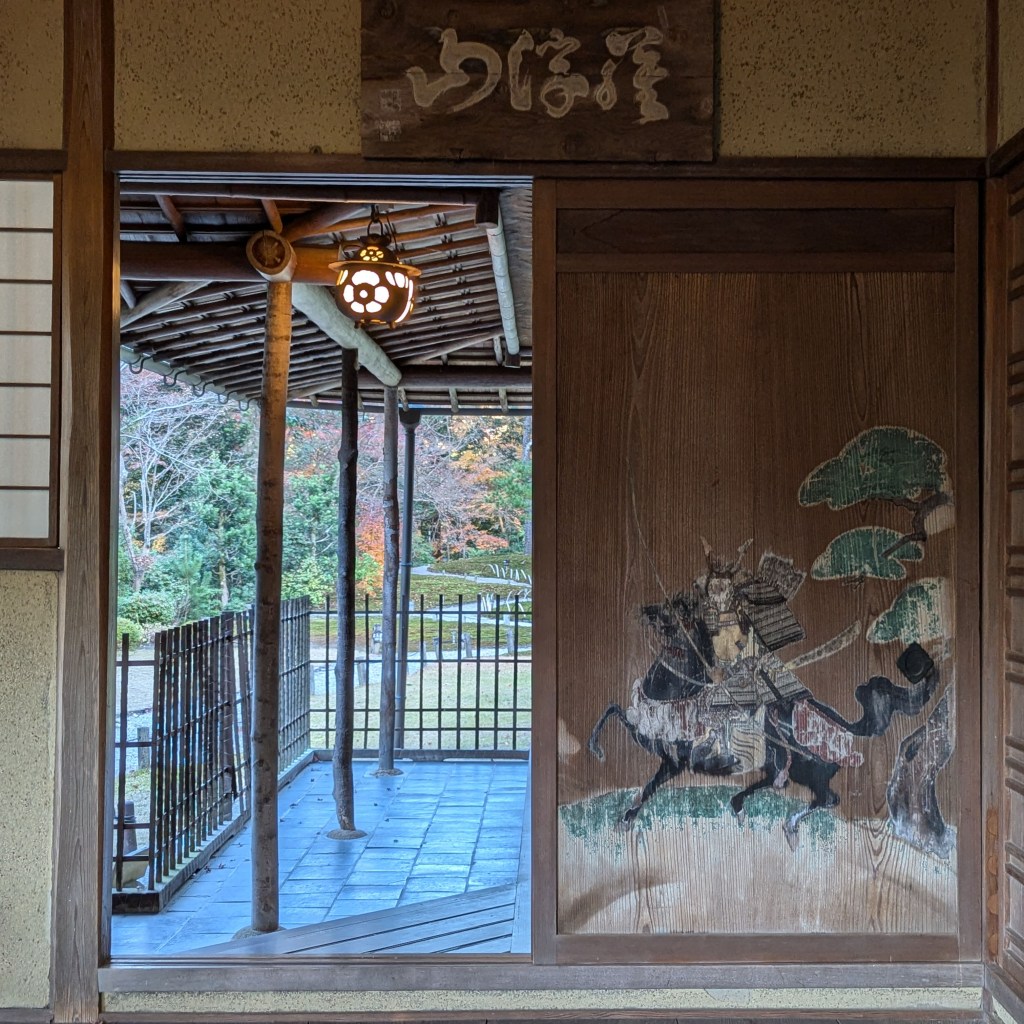
We found Yoshikien on the way back to the main road from Todaiji temple. It has a small entrance but the property is full of gems. There was a spacious tea house facing to a moss garden where it was surrounded by tall trees. Walking on a path in the garden led us to a tea flower garden which they were planted especially for Japanese tea ceremony. Birds chirping and wind rustling through trees in the property offered a peaceful atmosphere.
60-1 Noboriojicho, Nara
Okayama: Korakuen (岡山後楽園)
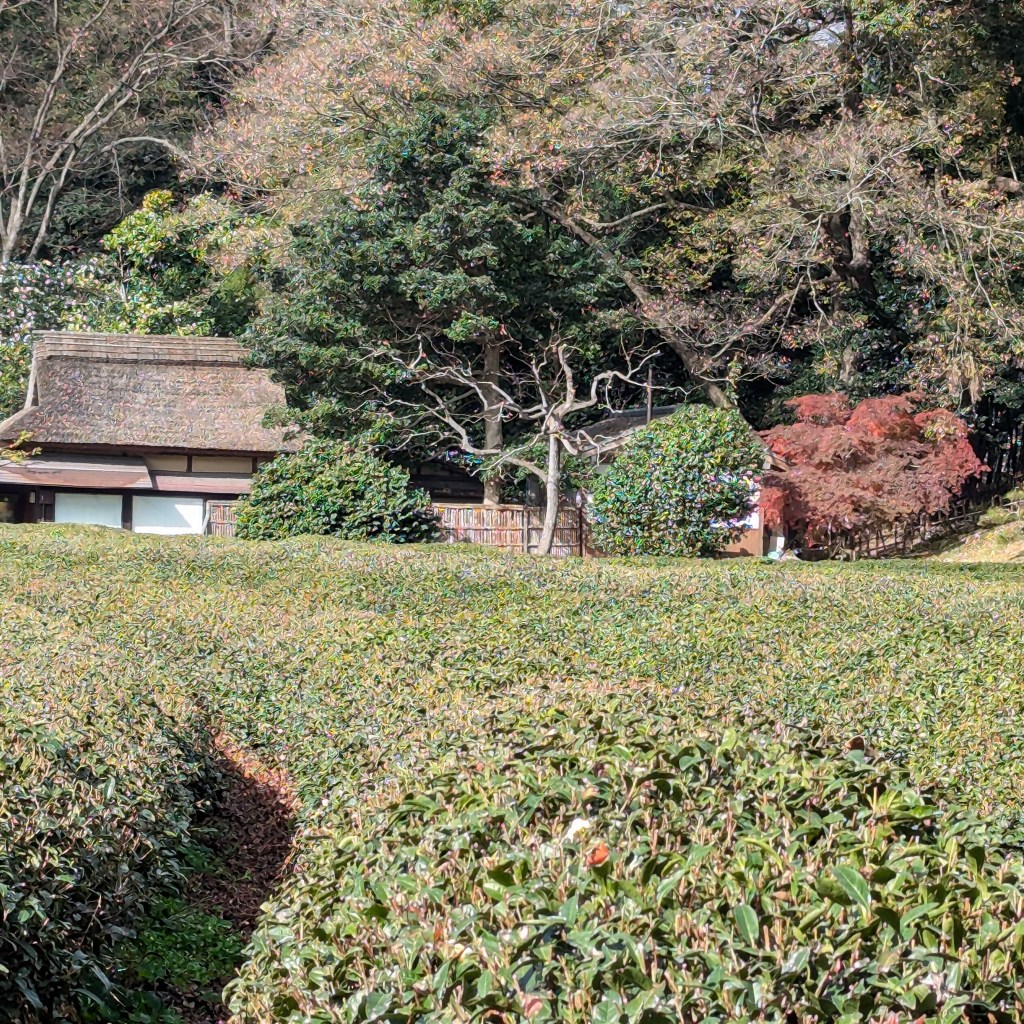
Korakuen(後楽園)is one of top three great Japanese garden in Japan. The meticulously maintained garden was created by the local feudal load in 1687 to entertain his guests. Despite being damaged by flood and wars, the careful restoration brings it back the initial appearance. It has several houses including a Noh theater, ponds, waling paths, a rice field as well as a tea garden! One of the tea houses offers a wakocha, Japanese black tea, produced from the garden and you can taste it with Okayama’s traditional sweets.
1-5 Korakuen, Kita Ward, Okayama https://okayama-korakuen.jp/section/english/
Fukuoka: Yusenteai(友泉亭)
Yusentei (友泉亭)was built in the mid-Edo period as a second house for Tsugutaka Kuroda. The property was repurposed as the Yusentei Park and maintained by Fukuoka City. You’ll enjoy gaze the authentic Japanese garden while having tea and sweets. A waterfall, a tea house, lanterns will be found when you stroll around the koi pond.
1-46 Yusentei, Jyonan District, Fukuoka City
https://yusentei.fukuoka-teien.com/
Fukuoka: Rakusuien (楽水園)
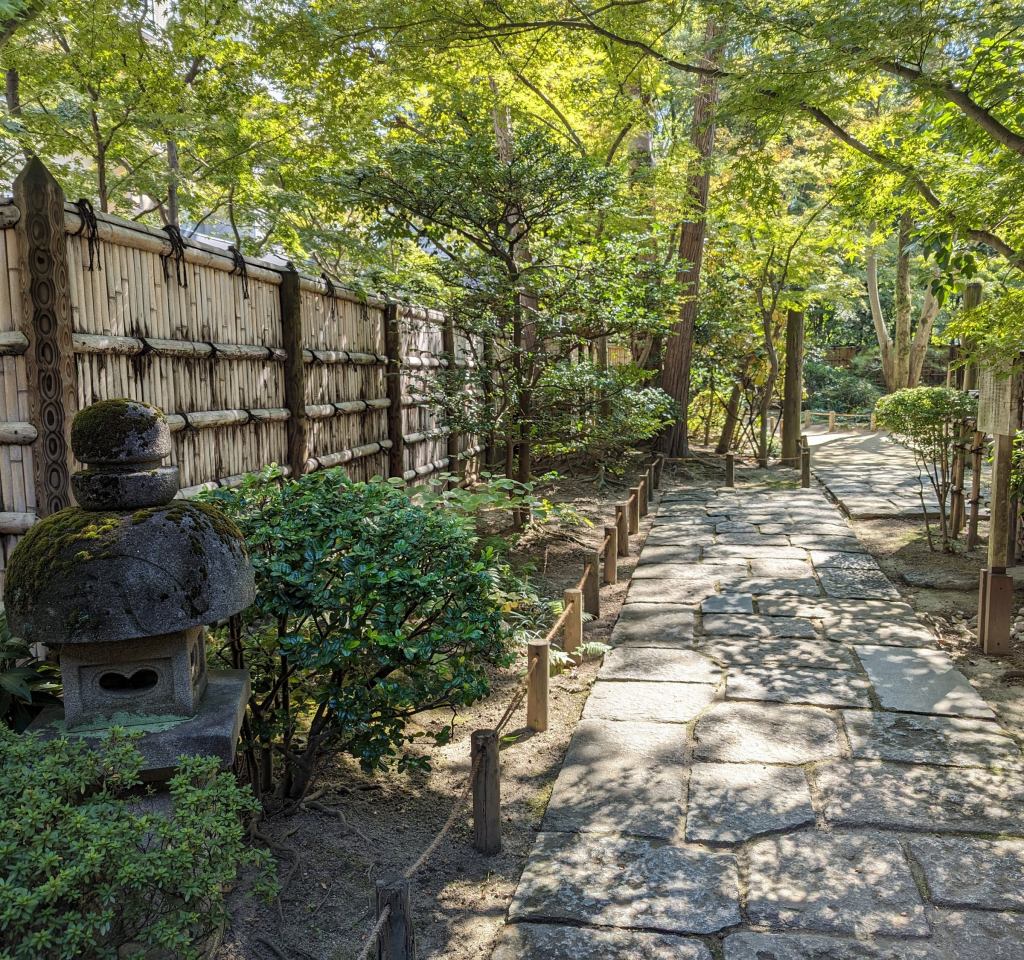
Rakusuien (楽水園) is located close to the Hakata JR train station. A short walk allows you to access there. They open their Chisen Kaiyu style garden (a Japanese garden enjoyed by strolling around pond and spring) and offer an opportunity to have a bowl of matcha in a traditional Japanese house with a small fee. It is perfect to take rest in the concrete jungles.
2-10-7 Sumiyoshi, Hakata District, Fukuoka City
https://rakusuien.fukuoka-teien.com/
Ureshino: Warakuen (和楽園)
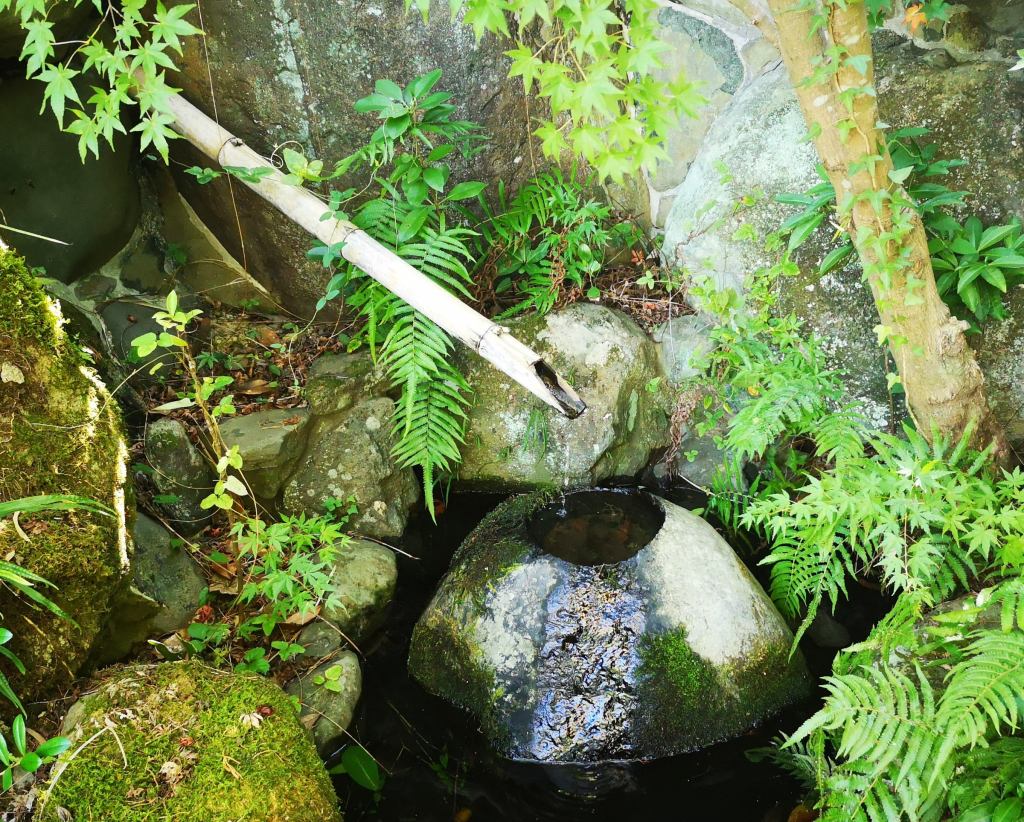
Tea + Hot Spring = Heaven! This ryokan offers a chance to soak yourself in green tea. The tea out of a gigantic teapot pours in rotenburo (outdoor bath). If you want to refresh your skin further, there is a tea bag to pat yourself. Enjoy it!
Ko-33 Ureshinomachi Shimono, Ureshino, Saga
https://www.warakuen.co.jp/en/hot_springs/
Fukuoka: Benzaiten (弁才天)
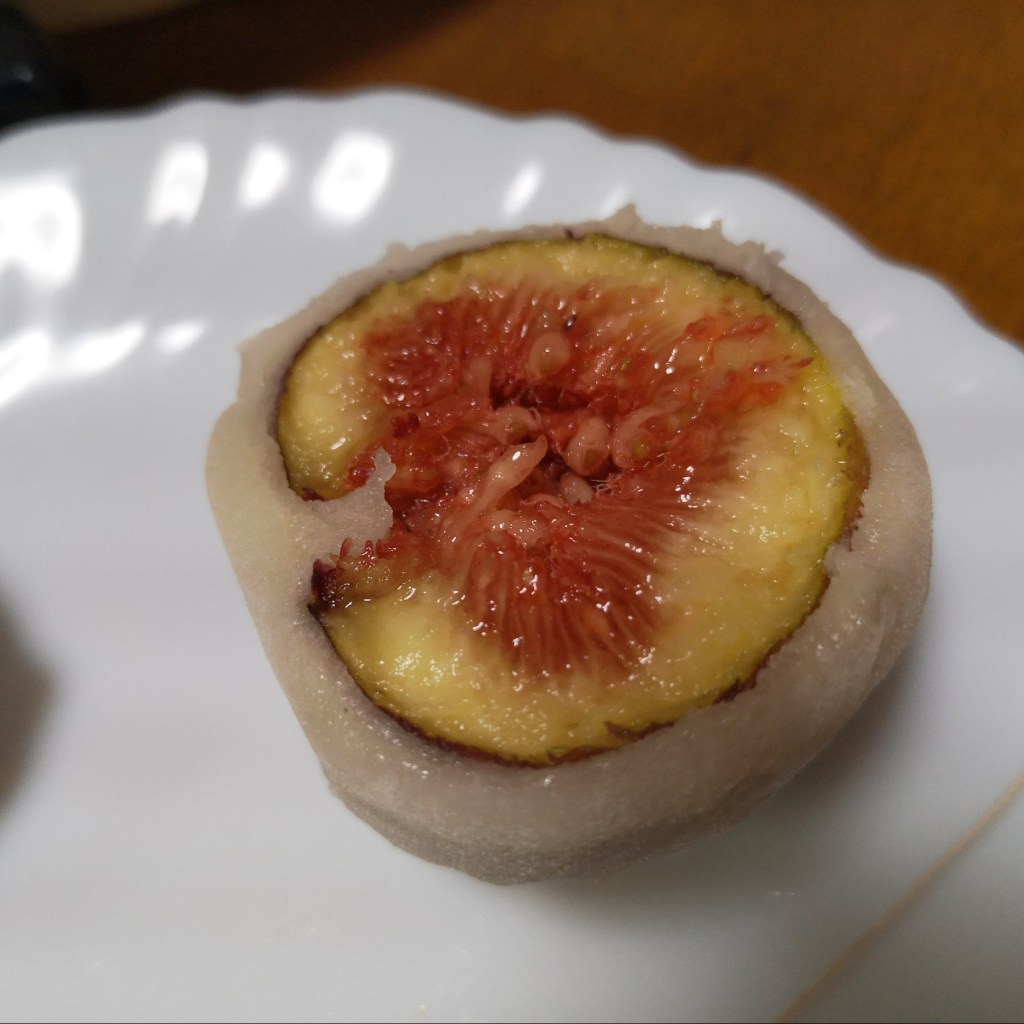
When you serve tea with daifuku rice cake, you won’t be wrong! A daifuku with a fresh fig inside (shown in the photo) was amazing! You can choose from a range of fruits including Amao strawberry (it has full of sweetness). If you try one, your eyes have already started to search the next one while biting!
2-10-1 Daimyo, Cyuo-ku, Fukuoka City
https://benzaiten-daifuku.jp/english
Kochi: Asunaro (あすなろ)
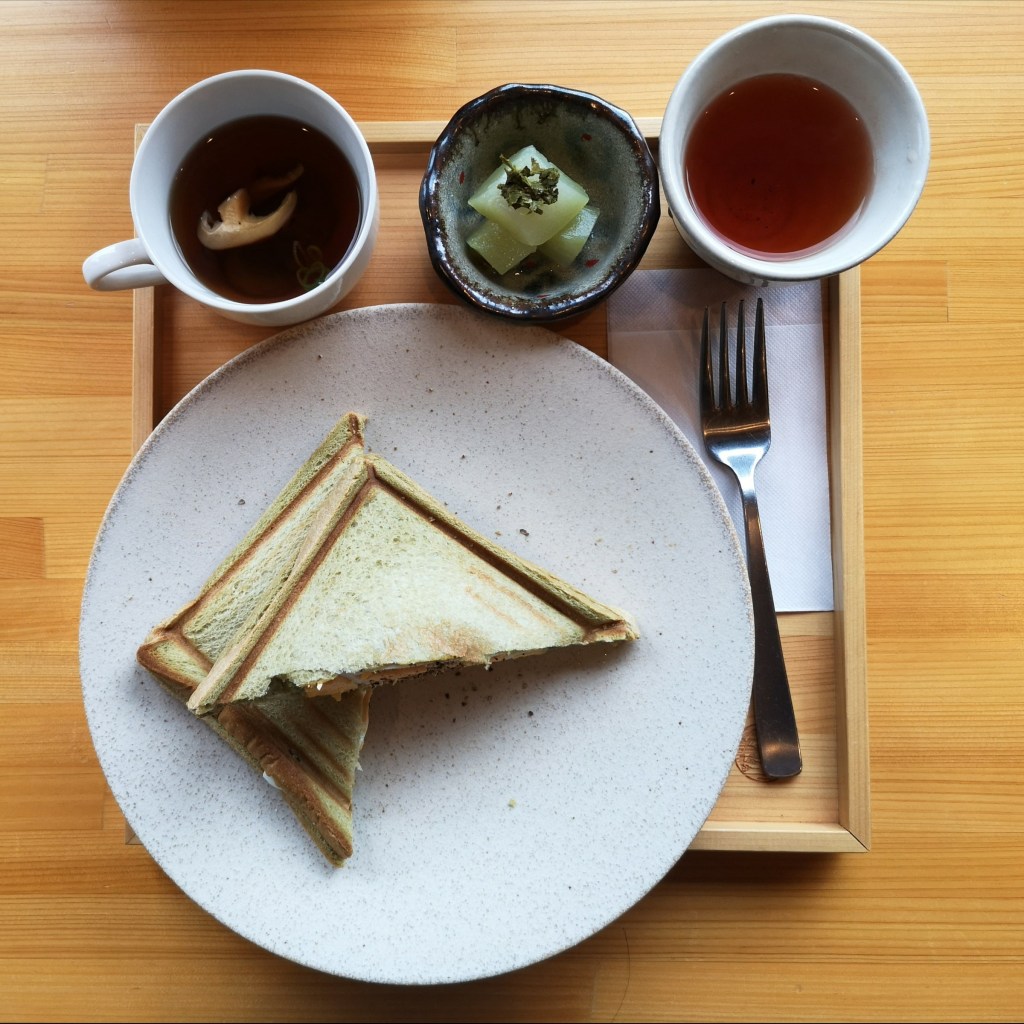
This lovely cafe is run by a tea farmer and located along the Niyodo river. Their menu includes not only tea drinks but also dishes such as green tea udon and breads. You may need a car to access there and drive about 100 minutes from Kochi City and Matsuyama City both.
224-6 Washinosu, Niyodogawacho, Agawa District, Kochi Prefecture
https://www.asunaro-cafe.com/
Tokyo: Sakurai (櫻井焙茶研究所)
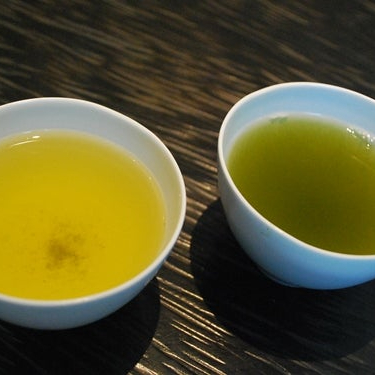
We ordered single origin teas at this cafe. A staff prepared our teas quietly and served us. Each tea was brewed with its appropriate method including the quantity of tea leaves. We enjoyed a quiet “zen” moment and good quality tea.
5-6-23 Minamiaoyama, Minatoku, Tokyo
http://www.sakurai-tea.jp/
Tokyo: Higashiya Ginza (ヒガシヤギンザ)
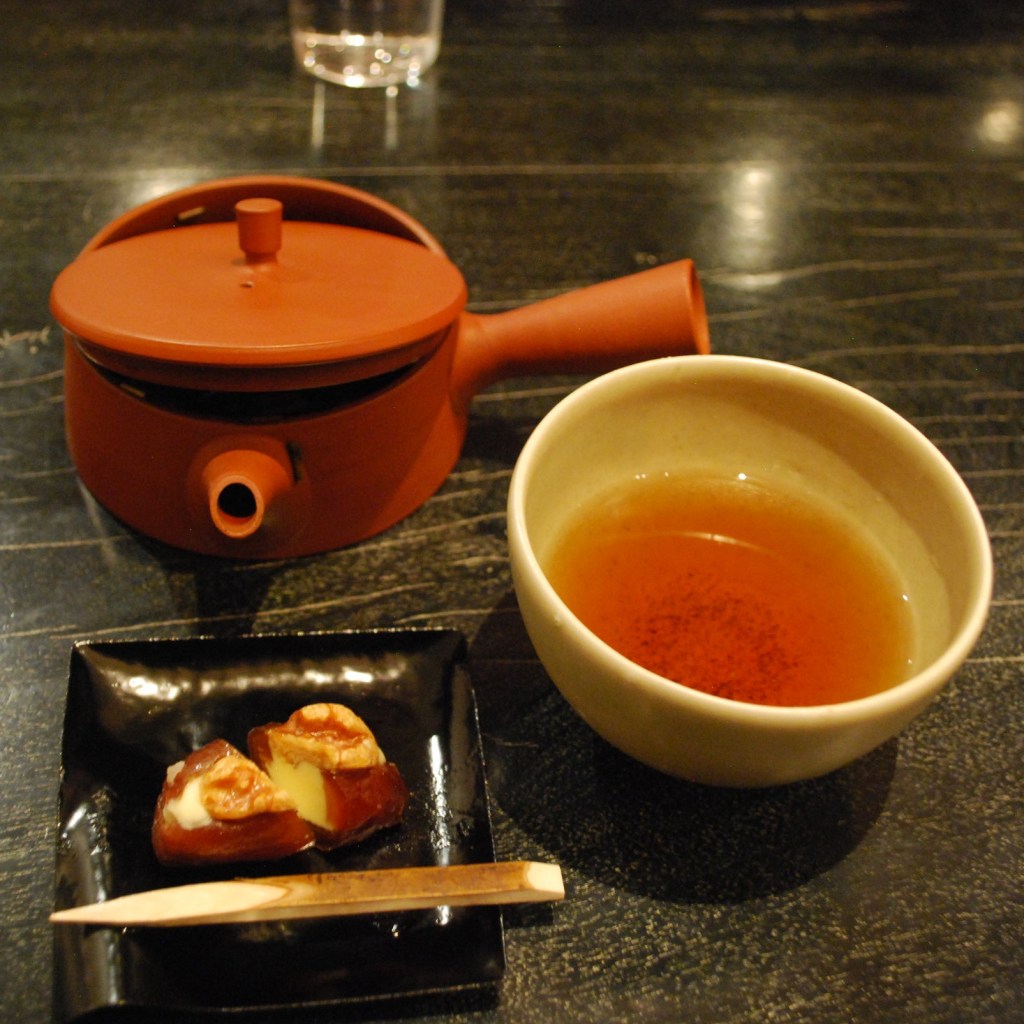
We ordered the tea pairing courses which came with four different teas with paired sweets. Each tea was served in different tea ware. Paired sweets were very creative and modern while preserving Japanese traditional style. It was hard to choose the very best pairing among four as each tea was served very uniquely. The staff who served us was polite and friendly. Booking is recommended to avoid disappointment.
POLA Ginza Bldg. 2F 1-7-7 Ginza, Chuo-ku, Tokyo
http://www.higashiya.com/ginza/sabo/
Kyoto: Fukujuen (福寿園)
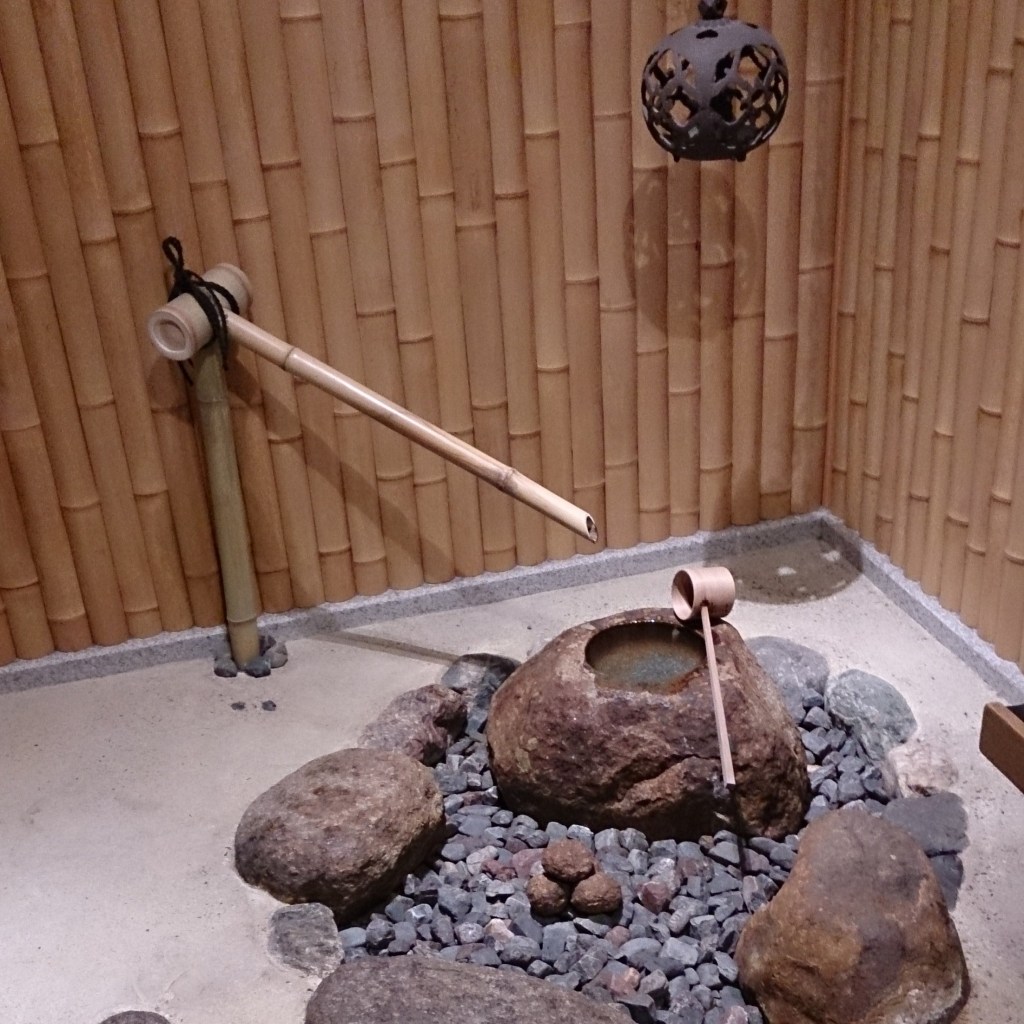
We enjoyed gyokuro and sencha sets there. It offered a very clean and quiet space as we almost forgot the crowds and noise from the popular street outside. This shop was established in 1790 and is now known with IEMON which is a tea drink created with Suntory. Staff were very kind and helpful. Despite the level of Japanese tea knowledge, everyone will be able to brew Japanese tea properly (the staff are happy to assist you if you need their help).
http://www.fukujuen-kyotohonten.com/english/floor.html#4f
Aichi: Shinryokusabo (新緑茶房)
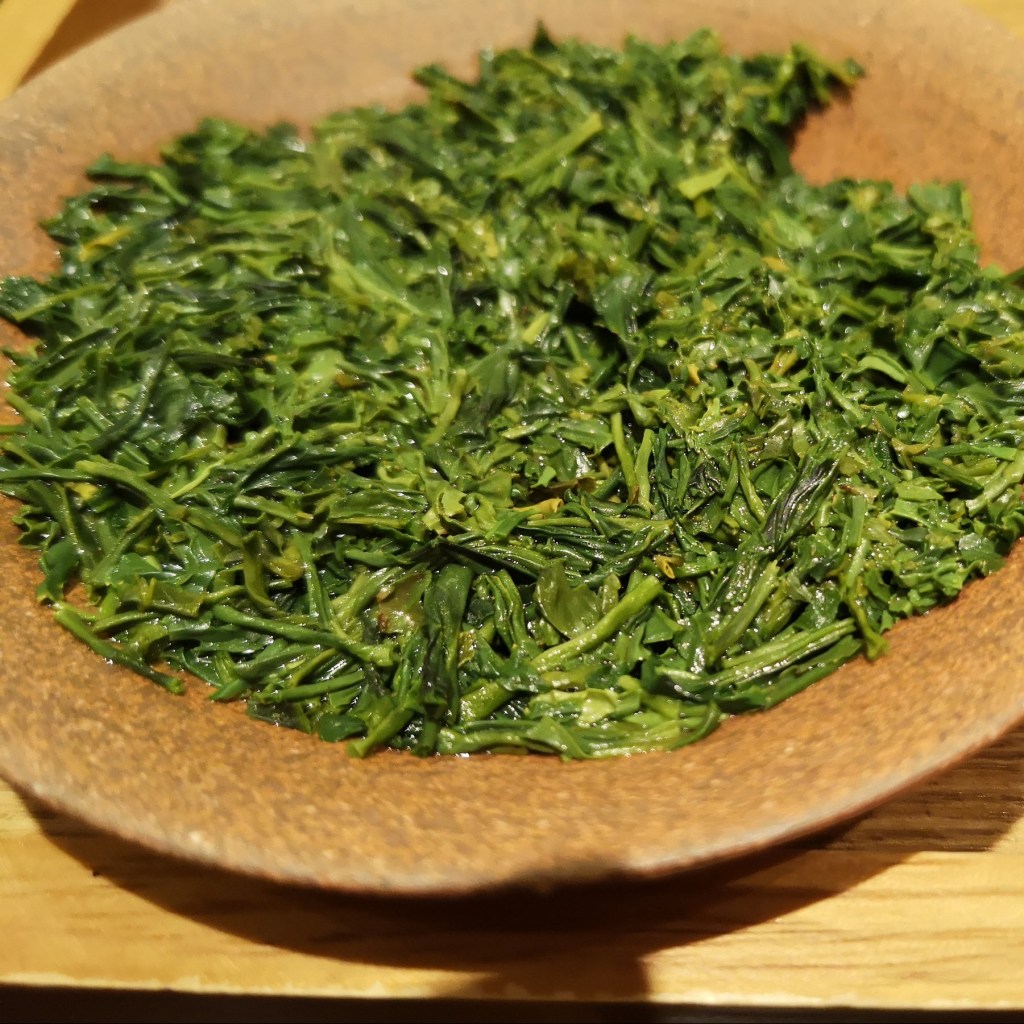
Isecha which has full of umami with astringency was served. This cafe is run by an Isecha farmer so teas are directly delivered from their farm. The cafe equipped with several tables and chairs offers cozy atmosphere.
4-26-25 Meieki, Nakamura Ward, Nagoya City, Aichi
https://ja-jp.facebook.com/shinsabocafe/
 Okei-san Japanese Tea Plus